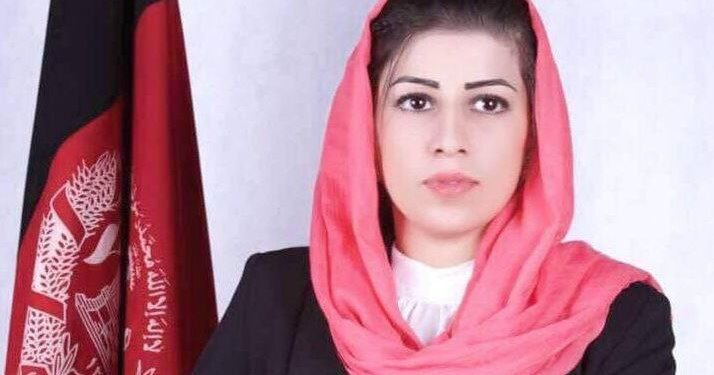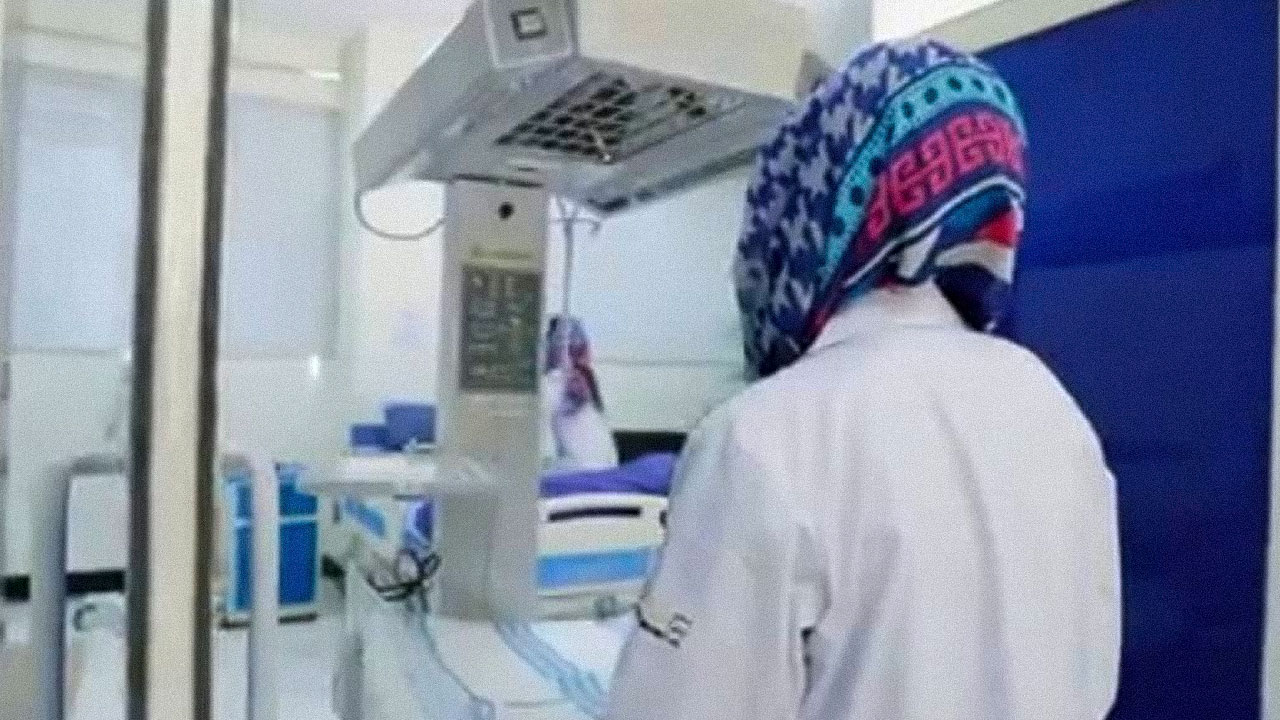
In Afghanistan’s hospitals and health centers, women seeking diagnosis and treatment for breast cancer are a rare sight. It is mostly because of the taboo surrounding the naming of women’s body parts and diseases, including breast cancer and genital infections, which are viewed as a source of shame and disgrace.
In Afghanistan, access to treatment facilities for breast cancer is limited to only a few hospitals, including Jamhuriat Hospital in Kabul and another hospital in Herat province. Every year, dozens of women seek diagnosis and treatment for breast cancer at these two centers. However, many women in Afghanistan endure great suffering from the wounds and pains caused by breast cancer, and some even lose their lives due to a lack of knowledge about the disease and the cultural stigma and taboo surrounding it. In some cases, the shame and stigmatization associated with breast cancer prevent women from seeking timely medical care, leading to further complications and poorer outcomes.
One such woman is Jawaher, a 48-year-old from a distant village, who has a lump in her right breast. Jawaher and her husband have traveled to Kabul and are searching for a female specialist.
Jawaher opened up to Nimrokh about her personal connection to breast cancer, sharing how the tragic death of her younger sister, Fatima, motivated her to take her own breast lump seriously and seek treatment despite financial difficulties.
Fatima was only 27 years old when she was diagnosed with breast cancer two years ago. Despite undergoing surgery to remove cancer, she died due to complications from an early pregnancy after the surgery.
Jawaher explained that, by starting her matrimonial life, Fatima had faced difficulties in becoming pregnant. Eventually, she was able to conceive but went on to give birth to three boys in quick succession, without spacing out the births. It was after weaning her last child that Fatima discovered the painful lump in her breast.
According to Jawaher, Fatima’s busyness with farming and raising pets made it difficult for her to find the time to go to the doctor on time. Additionally, she had not shared her illness with her husband due to concerns about his potential reaction.
Moreover, Jawaher mentioned that “Her husband was a selfish man. If my sister mentioned being unwell or unable to work, he would consider marrying again. My sister did not want to follow in those footsteps, so she concealed her illness. But when the pain and discomfort from the lump spreading to her back and waist became unbearable, she decided to reveal that a lump in her breast was disquieting her.”
They went to a provincial hospital where she was diagnosed with breast cancer and referred to Jamhuriat Hospital in Kabul for treatment. Upon arriving in Kabul, Fatima’s husband diligently searched the entire city for a female surgeon. However, when no female surgeon was found, he reluctantly agreed to have male doctors operate on her. At Jamhuriat Hospital, Fatima underwent surgery for the bloody lump in her breast. After a grueling seven months of recovery, she was finally relieved of her suffering.
Upon their return to the village, Fatima and her husband were expected to continue their lives with their children for many years. However, the community imposed another cancer upon Fatima, viewing her surgery by a male doctor as taboo. This created a great deal of stigma and ostracism towards her within the community.
Jawaher recounted, “My sister’s husband used to tell her: ‘I had to help you seek treatment, but when a male doctor was scheduled to perform the operation, I had to accept. But you didn’t reject too, and a male doctor touched your body and breasts. But now that you have recovered, I don’t need you anymore. You took away the dignity and honor I had among the people.’”
When the villagers went to Fatima to inquire about her health, they asked her about the gender of her surgeon. Upon learning that the surgeon was a man, the villagers reacted with shame and disgrace. They punched their chests and exclaimed, “Shame on you!” The community believed that it was better to die than to endure dishonor in front of a stranger.
In Jawahar’s village, it is considered a shameful act for women to be treated by male doctors or to give birth in a hospital. Instead, women are expected to give birth at home, often without access to proper medical equipment or assistance. If they are diagnosed with breast cancer, they are left to fight a silent, painful battle alone, with little support or resources, until they die.
Fatima was ultimately divorced, and it was largely due to the pressure and taunts of the people in their village. This occurred when she was three months pregnant, and she subsequently went to live with her father. Jawaher shared that after her treatment, the doctors had advised her to avoid pregnancy for some time and if possible, not to conceive again at all. However, Fatima’s husband still desired another child, despite already having four boys. Fatima had little say in the matter and was unable to prevent the pregnancy. After the divorce, Fatima’s father stood by her and promised to protect her from further humiliation. However, her final pregnancy duration was spent in depression and seclusion, with little joy beyond seeing her children at her father’s house.
“Fatima’s health took a turn for the worse in the sixth month of her pregnancy,” said Jawaher. “She began to experience weakness and convulsions, and her father rushed her to a local hospital. The doctors there issued a warning: ‘Due to your previous illness, pregnancy posed a significant danger to your health, as your body can not provide enough blood to sustain both yourself and the fetus. Therefore, we need to choose between the mother and the baby to recuse’”.
According to Jawaher, when Fatima discovered she was carrying a female fetus, she decided not to terminate the pregnancy. Instead, she got regular medical care throughout her pregnancy, until her daughter was born. However, her daughter’s birth came at a steep cost, as Fatima’s health deteriorated rapidly. Despite the valiant efforts of doctors and blood donors, her body’s hematopoiesis suffered irreversible damage. After spending four days by her daughter’s side, Fatima passed away. She was lying with her daughter on the hospital bed when she peacefully closed her eyes for the last time.
Now, Javaher’s own lump has brought her to Kabul in search of medical assistance from a female specialist. With her young sister’s tragic fate looming over her, Javaher’s fear of breast cancer has become an urgent concern. If diagnosed, she hopes to receive treatment at Jamhuriat Hospital in Kabul, but her husband’s support is uncertain. It is currently unclear whether her husband is supporting her through her illness or, like some other men, views her condition as shameful and would prefer her to suffer in silence, possibly even returning her to their village without seeking medical treatment.